Beyond Counting Sheep: The High-Tech Revolution in Sleep Optimization
Tossing and turning at night? Discover how a new wave of smart technology, from rings to radars, is unlocking the secrets of restorative rest by finally decoding your body's natural rhythms.
Sarah Jenkins, Science Editor
March 1, 2026 · ⏱ 5 min read · View Source
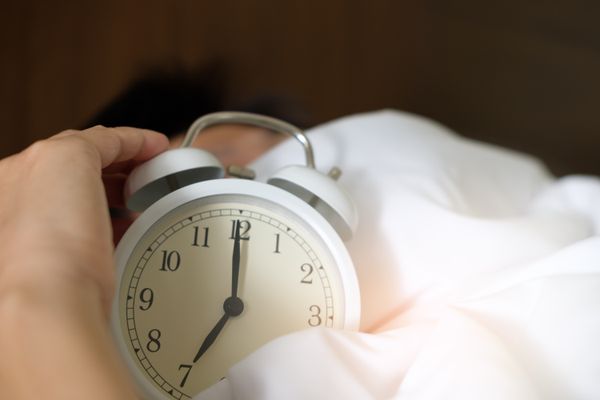
We all know the difference a great night’s sleep can make. It’s the secret ingredient to a productive day, a sharp mind, and a vibrant sense of well-being. Yet, for many of us, consistently high-quality rest feels like an elusive dream. The consequences are staggering: insufficient sleep is linked to reduced productivity and increased mortality, costing the U.S. economy an estimated $411 billion in 2023 alone.
But what if you could do more than just hope for a good night? What if you could measure, understand, and actively improve it? Welcome to the new era of sleep optimization. Thanks to incredible advances in sensor technology and artificial intelligence, the power to decode your personal sleep patterns is no longer confined to a sterile lab. It’s on your wrist, on your finger, and even on your nightstand.
The Rise of the Digital Sandman: Your Everyday Sleep Tracker
If you own a smartwatch or fitness band, you’re likely already part of the sleep-tracking revolution. One in three Americans now monitors their sleep, and for good reason. Devices like the Apple Watch, Samsung Galaxy Watch, and Oura Ring have become sophisticated personal health companions.
Using a suite of tiny, powerful sensors—including photoplethysmography (PPG) for heart rate, accelerometers for movement, and pulse oximeters for blood oxygen—these gadgets go to work while you rest. Their proprietary algorithms analyze this data to estimate your total sleep time, interruptions, and sleep stages (light, deep, and REM).
While they aren’t medical devices, their power lies in pattern recognition. They provide valuable trend data on your sleep patterns and disruptions, helping you connect lifestyle choices (like a late-night coffee or an evening workout) to your sleep quality. Think of them as your personal sleep diary, written in data.
Decoding Your Night: What Are Sleep Stages Anyway?
To get the most out of your tracker, it helps to know what it’s measuring. Your sleep isn’t a flat line; it’s a dynamic journey through different stages, each with a unique purpose.
- Light Sleep (N1, N2): This is where you spend most of the night. Your body is relaxing, and brain activity slows down. It’s essential for memory consolidation.
- Deep Sleep (N3): Also known as slow-wave sleep, this is the most physically restorative stage. During deep sleep, your body repairs tissues, builds bone and muscle, and strengthens the immune system. It’s dominant in the first half of the night.
- REM Sleep: Characterized by rapid eye movement (hence the name), this is when your brain is highly active and dreaming occurs. REM sleep is crucial for emotional regulation, learning, and memory. These periods get longer as the night progresses.
A healthy night involves cycling through these stages multiple times. Understanding your sleep stages helps you gauge the restorative quality of your sleep, not just its duration. While optimizing sleep is the foundation of daytime vitality, some find they need additional support to truly reset their energy levels. For more targeted support in this area, you can read our full expert review on The Energy Revolution.
Bridging the Gap: From Wellness Gadgets to Clinical Insights
As impressive as consumer wearables are, a new class of devices is emerging that bridges the gap between casual wellness tracking and medical-grade analysis.
Wearables with a Purpose
Some devices are built from the ground up with sleep as their primary focus. Headbands like the Dreem use dry EEG (electroencephalogram) electrodes to directly measure brain waves—the same signal used in clinical labs—to stage sleep with incredible accuracy. Similarly, medical-grade rings like the FDA-cleared SleepImage Ring use advanced optical sensors to assess cardiopulmonary health and help diagnose conditions like sleep apnea from your own bed. These specialized tools offer near-clinical accuracy in a comfortable, at-home format.
The Invisible Watchers: Non-Contact Sleep Monitoring
For those who prefer to sleep completely untethered, non-contact sensors are the future. These “nearable” devices monitor you without ever touching your body. Under-mattress pads can detect the micro-vibrations of your heartbeat and breathing, while bedside devices like the Amazon Halo Rise use imperceptible radio waves to track your respiratory patterns and sleep stages from a nightstand. These systems provide seamless, long-term monitoring without the need to wear anything, making them ideal for tracking sleep patterns over weeks or months.
The Gold Standard: What Happens in a Clinical Sleep Lab?
For diagnosing complex sleep disorders like narcolepsy or severe sleep apnea, the gold standard remains in-lab polysomnography (PSG). This involves an overnight stay where a technologist attaches around 20 sensors to monitor everything from brain waves (EEG) and eye movements (EOG) to muscle tone (EMG), heart rhythm, and breathing.
This comprehensive data gives doctors a complete, synchronized picture of your sleep architecture. While intensive, PSG delivers unmatched diagnostic precision for complex sleep disorders. The good news is that technology is making this level of analysis more accessible. New patch-based systems like the Onera Sleep Test System are bringing the power of a full PSG into a few simple wireless patches, allowing for clinical-grade studies to be conducted at home.
The Future is Now: AI, Digital Biomarkers, and Your Health
What truly powers this revolution is the fusion of advanced hardware with brilliant software. Onboard AI chips and machine learning algorithms are turning raw sensor data into powerful health insights.
This has given rise to “digital biomarkers”—quantifiable metrics that correlate with health outcomes. Instead of just seeing your sleep duration, you might track your “sleep regularity,” a measure of how consistent your sleep-wake times are. Studies have already linked irregular sleep patterns to a higher risk of mood disorders and cognitive decline. This advanced analysis can predict health risks and offer highly personalized feedback, moving us toward a future of truly preventative and personalized medicine.
The journey to better sleep is no longer a guessing game. With the right tools, you can move beyond simply knowing how long you slept and start understanding how well you slept—and more importantly, what you can do to make every night a restorative one.