Food as Medicine: The Science-Backed Revolution Changing Healthcare
Imagine your doctor handing you a prescription not for a pill, but for broccoli and carrots. This isn't science fiction—it's the 'Food is Medicine' movement, a science-backed approach transforming how we treat chronic disease.
Sarah Jenkins, Science Editor
March 1, 2026 · ⏱ 4 min read · View Source
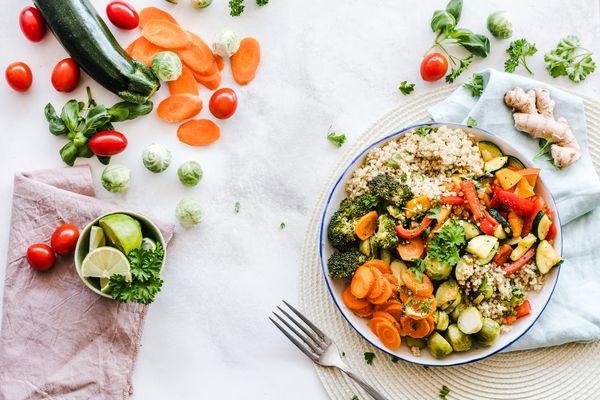
Food as Medicine: The Science-Backed Revolution Changing Healthcare
Picture this: You’ve just finished your annual checkup. Your doctor notes that your blood pressure and weight have been creeping up, putting you at a higher risk for conditions like heart disease or Type 2 diabetes. Instead of reaching for a prescription pad for medication, they hand you a script for… carrots and kale.
Welcome to the “Food is Medicine” (FIM) movement, a groundbreaking shift in healthcare that’s leveraging the power of nutrition to prevent and treat chronic illness. It’s not about replacing doctors; it’s about adding a powerful, natural tool to their medical arsenal.
The Sobering Reality of Our Modern Diet
The need for this revolution is stark. In the United States, over 40% of adults are classified as obese, and more than 70% are overweight. This isn't just about numbers on a scale; unhealthy eating habits are a major contributor to an estimated 500,000 deaths each year and place a staggering $1.1 trillion burden on the U.S. economy annually due to diet-related health problems.
It's clear that the status quo isn't working. The FIM movement offers a new, evidence-based path forward.
What Exactly is "Food is Medicine"?
At its core, FIM integrates specific food and nutrition programs directly into a patient's healthcare plan. The goal is to tackle diet-related diseases head-on with the very thing that can fuel them: food. This approach primarily takes two forms.
Medically Tailored Meals (MTMs)
Think of MTMs as precision nutrition. These are meals designed by registered dietitians to meet the specific needs of individuals with advanced health conditions like diabetes, heart failure, end-stage kidney disease, or cancer. Often delivered to a patient's home after a hospital stay, these meals provide targeted, hassle-free nutritional support during a critical recovery period.
Produce Prescription Programs
Simpler, yet incredibly effective, produce prescription programs provide patients with a debit card or voucher to purchase fruits and vegetables. This empowers individuals to make healthier choices at the grocery store, giving them the freedom to shop for and prepare their own fresh meals.
The Proof is in the Produce: What the Science Says
This isn't just a feel-good idea; the data supporting FIM is compelling and growing. Early research shows that these programs can significantly improve health outcomes, reduce healthcare costs, and address health disparities in our communities.
One of the most powerful examples comes from the Geisinger Health Plan in Pennsylvania. They implemented a program that “prescribed” fresh food to patients with Type 2 diabetes. The results were astounding. Over four years, these patients saw their average HbA1c levels (a key marker for blood sugar control) drop by 2.4%—a more significant impact than some traditional medications. This led to a remarkable 27% drop in emergency room visits.
For more targeted support in this area, you can read our full expert review on Gluco6.
Research from a dedicated team at Tufts University further solidifies the case. Their analysis projects that implementing medically tailored meals on a national scale for patients with diet-related conditions could prevent 1.6 million hospitalizations and result in net savings of $13.6 billion in the first year alone. Furthermore, they calculated that produce prescription programs for Americans with both diabetes and food insecurity could prevent 292,000 cardiovascular events like heart attacks and strokes.
How You Can Access These Nutritional Programs
The healthcare industry is taking notice, with Medicare Advantage plans leading the charge. Since 2019, these plans have been allowed to offer supplemental benefits like MTMs and produce prescriptions to chronically ill members. Commercial insurers like Humana are also beginning to offer similar coverage.
If you have a diet-related medical condition, here’s how you can explore your options:
- Talk to Your Doctor: A prescription from a healthcare provider is required to participate in most FIM programs. Discuss your health concerns and ask if a nutritional program could be right for you.
- Call Your Insurance Provider: Check your benefits by calling the number on your insurance card. Ask specifically about coverage for “medically tailored meals” or “produce prescription programs.”
You Don't Need a Prescription to Start Today
While these formal programs are a massive step in the right direction, the core principle of Food is Medicine is accessible to everyone, right now. You don't have to wait for a diagnosis or an insurance plan to begin harnessing the power of nutrition.
Making conscious, healthy food choices is one of the most impactful investments you can make in your long-term well-being. By focusing on whole foods—fruits, vegetables, lean proteins, and whole grains—you can build a foundation of health that pays dividends for years to come. The revolution starts on your plate.