Forest Bathing: The Scientifically-Proven Way to Wash Away Stress and Reset Your Health
Feeling overwhelmed? Discover shinrin-yoku, the Japanese art of forest bathing, and learn how simply immersing yourself in nature can deliver profound, science-backed benefits for your mind and body.
Sarah Jenkins, Science Editor
March 1, 2026 · ⏱ 4 min read · View Source
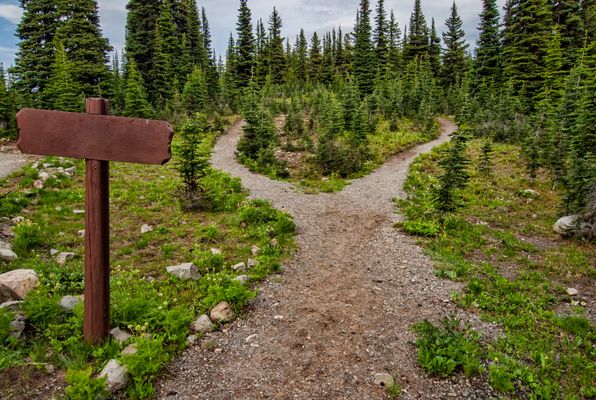
In our hyper-connected, screen-saturated world, the search for calm can feel like a full-time job. We chase productivity hacks and download mindfulness apps, but what if the most powerful antidote to modern stress was waiting just outside your door? Enter forest bathing—an ancient practice with a wealth of modern scientific support.
More than a thousand studies confirm that spending intentional time in nature can have a profound reset effect, washing away the anxieties of daily life. It's a practice so powerful that some physicians, like cardiothoracic anesthesiologist Rosanne Sheinberg, are now prescribing time in nature to their patients. “Our mental health affects every aspect of our life and immune system,” she explains.
What is Forest Bathing, Exactly?
Rooted in the Japanese practice of shinrin-yoku (which translates to “forest bathing”), this isn't about hiking, trail running, or breaking a sweat. The goal isn't to conquer a summit, but to simply be.
Forest bathing is a sensory immersion. It’s about slowing down and intentionally connecting with the natural world through all five of your senses. It’s the difference between rushing through a park and meandering without a destination. What do you hear? The rustle of leaves, the chirp of a distant bird. What do you smell? Damp earth, fragrant pine. What do you feel? The rough texture of tree bark, the cool breeze on your skin.
Japan introduced shinrin-yoku as a national health program in 1982 to combat burnout, and its popularity has since blossomed worldwide as a simple, accessible form of nature-based therapy.
The Science Behind the Serenity
The benefits of this practice aren't just anecdotal; they're deeply rooted in research. Since 2004, the Japanese Society for Forest Medicine has been dedicated to studying its effects, and the findings are compelling.
A Powerful Reset for Your Mind and Mood
If you feel your brain is running on fumes, nature offers a potent cognitive boost. A 2019 study in Current Directions in Psychological Science found that exposure to natural environments improves memory, cognitive flexibility, and attentional control. Meanwhile, research has consistently shown that forest bathing can lead to a significant reduction in anxiety, depression, stress, and anger.
A fascinating 2017 study published in Nature even discovered that time among trees can impact the physical integrity of the brain’s amygdala, the region that processes emotions, helping it better handle stressors.
Surprising Physical Health Perks
Your body responds to nature just as profoundly as your mind. A landmark 2009 Japanese study revealed that walking in a forest lowered participants' blood pressure, cortisol (the primary stress hormone) levels, and pulse rates. It also calmed the sympathetic nervous system (our “fight-or-flight” response) while activating the parasympathetic nervous system, which governs our “rest-and-digest” state.
A key part of this process is the simple act of breathing in the clean, dewy forest air. This deep, intentional breathing is a cornerstone of the practice, helping to calm the nervous system and deliver oxygen-rich air to the body. For more targeted support in this area, you can read our full expert review on Breathe.
A Natural Boost for Children's Well-being
This practice isn't just for adults. Johns Hopkins-trained psychiatrist Dr. Leela Magavi champions forest bathing for children, noting its wide-ranging benefits. “Time spent in nature and away from screens can reset children’s circadian rhythms and allow them to sleep better,” she says.
Beyond sleep, spending mindful time outdoors can foster neuronal connectivity, improve cognition, and even boost academic performance. It’s also a powerful way for children to bond with caregivers, creating positive, lasting memories away from digital distractions.
How to Begin Your Forest Bathing Practice
Getting started is refreshingly simple. There’s no expensive gear or expert guide required. The most important step is simply to begin.
Unplug to Recharge: The first rule is to disconnect. Leave your phone in the car or, at the very least, turn it to silent and put it away. The goal is to be present where you are, not in the digital world.
Find Your Spot: You don't need a pristine, old-growth forest. A local park, a quiet nature preserve, or even a tree-lined neighborhood street will work. The key is to find a space where you can slow down and notice the nature around you.
Slow Your Pace: This is an amble, not a race. Walk slowly and without a destination. If you’re with children, let them lead the way. “It’s kind of magical what we, as adults, miss out on because we tend to move a little faster,” notes one parent, Jessica Sproat.
Engage Your Senses: Actively notice your surroundings. Ask yourself (or your child), “What can I hear right now? What does the air smell like? How does the ground feel beneath my feet?”
A 2019 Nature study found an association between spending at least 120 minutes a week in nature and better health and well-being, but even 15 minutes can lower anxiety levels. The benefits are accessible to everyone.
The Takeaway: Your Invitation from Nature
In a world that constantly demands more from us, forest bathing offers a simple, powerful truth: sometimes the best way to move forward is to stand still. As Dr. Sheinberg reminds us, “Humans evolved living in nature; we’re pre-programmed to relax in it.”
Consider this your official invitation to step outside, take a deep breath, and let nature work its quiet magic.