The Vagus Nerve Reset: How to Breathe Your Way to a Calmer Mind and Healthier Body
You take over 20,000 breaths a day, but have you ever considered their hidden power? Discover the science-backed secrets of breathwork to regulate your nervous system, sharpen your mind, and transform your well-being from the inside out.
Sarah Jenkins, Science Editor
March 1, 2026 · ⏱ 5 min read · View Source
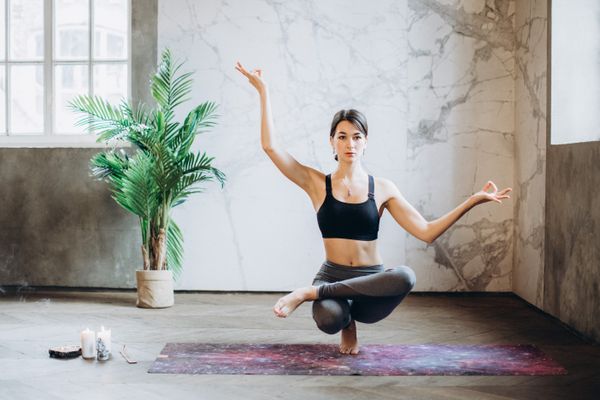
You do it more than 20,000 times a day without a second thought. But what if we told you that changing how you breathe could fundamentally shift your brain and body's response to life? If you’ve ever been told to “take a deep breath” during a stressful moment, know this: it isn't just a comforting platitude—it's a powerful, science-backed command.
Emerging research confirms that conscious breathing, or breathwork, offers a cascade of immediate and long-term benefits. “Breathwork is one of the simplest and profoundly effective tools we have for calming the nervous system and boosting physical and mental resilience,” says Guy Fincham, founder of the breathwork lab at Brighton & Sussex Medical School. Yet, as he notes, “precisely because it’s so accessible, its power is often underestimated.”
Let's unpack the science behind this incredible built-in tool and explore the simple techniques that can unlock a calmer, sharper, and more balanced you.
The Surprising Science of Your Breath
How you breathe, day in and day out, can influence everything from your mood to your memory. The magic lies in how intentional breathing interacts with your body's intricate internal systems.
The Vagus Nerve: Your Body's Built-In Reset Button
One of the most significant players is the vagus nerve. This sprawling nerve system travels from your brainstem down to your vital organs and acts as the main highway of the parasympathetic nervous system—your body's “rest and digest” network. When you practice deep, diaphragmatic breathing, you physically stimulate this nerve.
This activation sends calming signals throughout your body, helping to regulate heart rate, lower blood pressure, and improve circulation. It’s the physiological equivalent of flipping a switch from the frantic “fight-or-flight” mode to a state of composed calm. The longer and slower your breath, “the more you activate the calming effects of this system,” explains Dr. Raj Dasgupta, a pulmonary and sleep medicine physician. For those seeking to enhance the body's natural calming mechanisms, a well-structured approach to nervous system health is key. For more targeted support in this area, you can read our full expert review on Nervecalm.
A Chemical Shift for Calm and Clarity
It’s not just about nerves; it's also about chemistry. When you consciously slow your breathing, carbon dioxide levels in your blood rise slightly. According to Patrick McKeown, author of The Breathing Cure, this is a good thing. CO2 isn't just waste; it “acts as a natural vasodilator by opening up blood vessels and allowing more oxygen-rich blood to reach the brain and the heart.” More oxygenated blood flow means a better-functioning brain and body.
The Transformative Benefits of Mindful Breathing
Integrating a consistent breathwork practice can yield profound improvements in your overall health and well-being.
Sharpen Your Mind and Protect Your Brain
That improved oxygen flow directly translates to improved cognitive function. Research shows that specific techniques can enhance communication between the brain's hemispheres. A 2025 study highlighted how breathing patterns directly impact brain structures like the amygdala and hippocampus, which are tied to focus and memory. Fascinatingly, recent findings also suggest that people with Alzheimer’s disease breathe faster at rest, indicating that respiratory rate could one day serve as an early biomarker for cognitive decline.
Soothe Stress, Anxiety, and Cravings
By activating the “rest and digest” system, breathwork is a powerful antidote to modern stress. A comprehensive meta-analysis co-authored by Fincham demonstrated the positive effects of conscious breathing on reduced anxiety and depressive symptoms. This state of calm isn't just for frazzled nerves; it has also been shown to help reduce cravings for food and addictive substances, showcasing the wide reach of breathwork's regulatory power.
Find Natural Relief from Pain and Tension
Intentional breathing can trigger the body’s endogenous opioidergic system, your internal pain-management network. This is why deep breathing is encouraged during childbirth and intense athletic training. Studies show that a regular practice can lead to reduced pain and muscle tension, and can even lessen the frequency of migraines.
Unlock Deeper, More Restful Sleep
If you struggle to power down at night, breathwork can be a game-changer. By calming the nervous system, it promotes the relaxation needed for your body to release the sleep-inducing hormone melatonin. Furthermore, focusing on nasal breathing as you drift off has been shown to improve sleep quality and reduce snoring, leading to better sleep quality and more energy the next day.
Your Toolkit: 5 Simple Breathing Techniques to Try Today
Ready to get started? The best technique depends on your goal, whether it's a quick reset or a deeper relaxation session.
The Physiological Sigh: For an instant reset. Inhale deeply through your nose, then take another short, sharp inhale on top of it. Finally, let it all go with a long, slow exhale through your mouth. It’s a scientifically proven way to shift out of a stress response in seconds.
Pursed-Lip Breathing: For quick calm or physical effort. Inhale through your nose for two counts. Then, exhale slowly and steadily for four counts through pursed lips, as if you’re blowing gently through a straw.
Box Breathing: For meditative focus. Inhale slowly through your nose for a count of four. Hold your breath for four. Exhale slowly through your mouth for four. Hold the exhale for four. Repeat. The timing can be adjusted, as long as all four sides of the “box” are equal.
Coherent Breathing: For a smooth rhythm. Inhale through your nose for six seconds, then immediately exhale through your nose for six seconds. The key is to create a smooth, continuous loop with no pauses.
Diaphragmatic (Belly) Breathing: For deep relaxation. Lie on your back with your knees bent. Place one hand on your chest and the other on your belly. Inhale slowly through your nose, allowing your belly to expand and rise. Exhale through your mouth as your belly gently contracts. Aim for 5-10 minute sessions daily.
A Final Word on Your Practice
When you first begin, find a quiet, peaceful environment where you won’t be disturbed. If you ever feel dizzy or uncomfortable, simply stop and return to your normal breathing pattern.
As Fincham wisely advises, “breathing should never be forced or strained. The aim is to remove layers of stress, not create more.”
Your breath is a constant, faithful companion. By learning to work with it, you unlock one of the most accessible and powerful tools for mastering your mental and physical health. The power to change your state is, quite literally, just one breath away.