Your Body's New AI Coach: How Wearables Are Revolutionizing Personal Health
That fitness tracker on your wrist is getting a major upgrade. Discover how artificial intelligence is transforming wearables like Oura and Whoop into sophisticated, personalized health coaches that offer real-time, actionable advice.
Sarah Jenkins, Science Editor
February 28, 2026 · ⏱ 4 min read · View Source
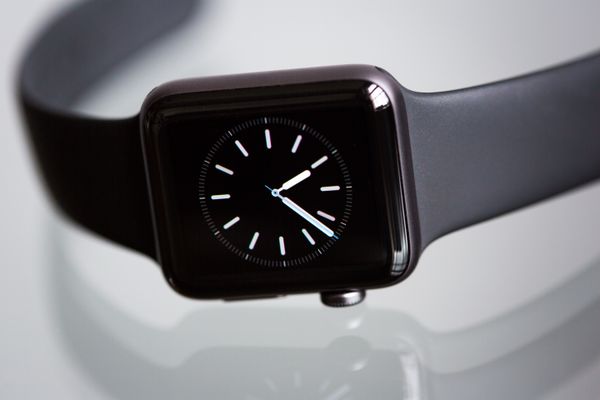
For years, we’ve diligently tracked our steps, logged our workouts, and monitored our sleep. But what if your wearable device could do more than just present data? What if it could interpret that data, understand your unique body, and act as a personal health coach, whispering guidance in your ear 24/7?
Welcome to the new era of personalized health. Companies like Whoop and Oura are at the forefront of a seismic shift, integrating sophisticated artificial intelligence (AI) into their platforms. They’re moving beyond simple tracking to offer a dynamic, predictive, and deeply personal health operating system. This isn't just about counting metrics; it’s about connecting the dots to help you live a healthier, more optimized life.
From Data Overload to Intelligent Insights
If you’ve ever stared at a graph of your heart rate variability (HRV) and wondered what it actually means for your day, you’re not alone. The first generation of wearables gave us a flood of data, but often left the interpretation up to us. The game-changer is AI.
By leveraging custom-built machine learning models and proprietary algorithms, these platforms are now designed to understand your body’s unique language. They don’t just see numbers; they see patterns. This evolution turns your device from a passive data collector into an active, intelligent partner.
How AI Is Changing the Game
Unlike generic AI platforms that pull from vast, impersonal information pools, the AI in modern wearables combines your continuous biometric data—sleep, strain, recovery, stress—with the personal context you provide about your goals, lifestyle, and even travel plans.
This creates an adaptive foundation for coaching that evolves with you. The device learns your baseline and can deliver context-aware explanations right when you need them. Wondering why your recovery score plummeted? The AI can point to a combination of inconsistent sleep and a high-strain day, offering clear next steps to get you back on track.
The Power of Hyper-Personalization
This intelligent synthesis of data unlocks a new level of personalization, offering tangible benefits for your daily life and long-term wellness.
Optimize Sleep and Recovery
Instead of just telling you that you slept for seven hours, an AI-powered coach can reveal the intricate connections between your behaviors and sleep quality. It might highlight how a late meal impacted your deep sleep or how a stressful afternoon delayed your sleep onset. This allows you to make targeted adjustments for truly restorative rest and maximized daily recovery.
Achieve Smarter Strain and Energy Management
The line between a challenging workout and overtraining can be razor-thin. AI acts as your personal performance advisor, recognizing patterns that have previously led to fatigue or burnout. It can proactively suggest a rest day before you feel exhausted, helping you prevent overtraining and sustain peak performance. By understanding your body's energy cycles, you can learn to push when you're primed for it and pull back to build resilience. While these devices provide incredible data on your daily energy fluctuations, understanding the foundational principles of energy production is also key. For more targeted support in this area, you can read our full expert review on The Energy Revolution.
Connect the Dots for Long-Term Health
Perhaps the most profound benefit is the ability to see the big picture. By integrating daily habits with advanced biomarkers from bloodwork (a feature some services are beginning to offer), these systems can show you how your behaviors impact key indicators of long-term health. You can see a direct line from your daily choices to your body's levels of inflammation, hormone balance, and metabolic efficiency, empowering you to make changes that improve metabolic health and extend your healthspan.
What's Next? Your Proactive Health Partner
The future of wearable AI is proactive, not just reactive. Soon, your device won't wait for you to ask questions. It will reach out with timely nudges when it identifies something important in your data.
Imagine getting an alert that your stress trends are rising, with a suggestion to try a 10-minute breathing exercise. Or a notification that you're accumulating significant sleep debt ahead of a busy week, advising an earlier bedtime. This is the ultimate goal: a health partner that anticipates your needs, helping you stay one step ahead of stress, illness, and burnout.
Privacy in the Age of AI Health
Naturally, sharing this much personal data raises questions about privacy. Leading companies in this space are addressing this head-on. Whoop, for example, states that conversations with its AI are anonymized before being processed by third-party models and that personal data is not stored with outside partners. As this technology evolves, transparent privacy policies and user control will be paramount to building trust.
Ultimately, the integration of AI into wearable technology is more than a trend—it's a transformation. It’s making personalized health accessible, actionable, and preventive. By learning to listen to the intelligent insights from our own bodies, we’re all being given the tools to become the CEO of our own health.